Statutory sick pay
Changes to Statutory sick pay were implemented on the 6th of April 2026. It’s now payable from the first day of illness, with the lower earnings limit removed.
- Payroll systems have been updated, new eligibility rules implemented, and employees have been informed about the changes.
- Sick-pay policies and employee handbooks are accurate
- Managers know how to record sickness absences correctly
- We have checked the financial impact on payroll and absence budgets
Paternity, parental and bereavement leave
On the 6th of April 2026, day-one paternity leave and ordinary parental leave rights took effect. Bereavement leave rights are expected to be implemented in 2027.
- Family-leave policies have been reviewed
- We are monitoring the expected 2027 bereavement-leave regulation changes or updates
- HR and Payroll systems can process updated leave entitlement
- Managers understand employees' day-one rights for relevant leave
- Employees know how to request leave with planned or unplanned cover arrangements put in place
Probation and unfair dismissal
The ordinary unfair dismissal qualifying period is expected to be reduced from two years to six months from the 1st of January 2027. The compensation cap is also expected to be removed.
- We have reviewed probation periods for different roles, with clauses in contracts being accurately and consistently applied
- New starters receive clear objectives and performance expectations
- We don’t treat dismissal during probation as automatically risk-free, and we check for discrimination, whistleblowing or other automatically unfair reasons before dismissal
- We identify performance or conduct concerns early, with dismissal records in writing as well as explaining the evidence, process, and reason for the decision
- We have probation review dates diarised with reviewed procedures for employees approaching six months’ service
- Managers receive training on giving feedback and documenting concerns, as well as HR and leadership understanding the potential impacts of uncapped compensation
Employment tribunal time limits
Employment tribunal claims are now implemented. This has changed the time limits from three months to six months on the 1st of October 2026. In Scotland, breach-of-contract claims will change on the 9th of November 2026.
- HR and legal teams are informed about the extended time limits, with insurance and legal support arrangements in place
- We have reviewed document-retention arrangements, with relevant records being able to be retrieved quickly
- Managers know that historic decisions may remain subject to challenge for longer
- Processes are in place for responding promptly to Acas Early Conciliation notifications
Sexual harassment and third-party harassment
From the 30th of October 2026, employers must take “all reasonable steps” to prevent sexual harassment. Liability to prevent harassment extends to third parties.
- Sexual harassment risk assessment has been updated, and anti-harassment policies are clearly accessible
- Identified higher-risk environments: customer-facing roles, events, lone working or work-related social activities
- Managers and employees have received appropriate training, with clear procedures for reporting, investigations and responses when there’s harassment by customers, suppliers, or other third parties
- We monitor complaints, near misses and workplace culture indicators, with evidence of the reasonable steps taken
- Whistleblowing policies reflect the strengthened protection for disclosures about sexual harassment
Holiday records
Employers must keep records of annual leave and holiday pay for at least six years. This was implemented from the 6th of April 2026.
- Holiday and holiday-pay records are modified to be retained for at least six years for all relevant employees
- Payroll and HR systems capture holiday calculations accurately, with your team being able to understand and explain how it’s calculated
- Managers understand how holiday requests and cancellations should be handled
- We have checked arrangements for irregular-hours and part-year workers
Zero-hours, low-hours and variable-hours work
Zero hours is changing so employees have more rights to guaranteed hours but also gain reasonable notice to shift changes. Payments will be introduced when shifts are cancelled, shortened or moved at short notice. It is expected to be implemented in 2027. However, detailed rules are still being developed.
- We have identified zero-hours, low-hours, casual, and variable-hours workers, comparing contracted hours with actual hours worked
- We have scheduling systems which record shifts offered, accepted, changed, cancelled, worked and notice period given
- We have reviewed agency and outsourced labour arrangements while also monitoring the final regulations before changing contracts
- Managers understand that workers should not be penalised for exercising new rights
- Considered how to preserve legitimate flexibility and improved predictability, while assessing possible cost of guaranteed hours offer
Flexible working
Expect further changes to flexible working in 2027. Employers will be expected to provide a business reason and explanation for why a refusal is reasonable.
- Flexible-working policy is current and there is a record for reasons for approving or refusing requests
- Managers understand how to handle requests consistently
- Assessed operational roles where flexibility may be difficult and can clearly explain why refusal is reasonable
- We are monitoring the updated Acas Code of Practice
Pregnancy and maternity protections
In 2027 there are expected enhancements to dismissal protections for pregnant employees and new mothers.
- Managers understand existing pregnancy and maternity protections
- We record decisions affecting pregnant employees and employees returning from family leave
- HR teams are monitoring the detailed 2027 rules
- Managers are trained to avoid detrimental treatment or assumptions about availability, with redundancy and dismissal procedures including appropriate checks
Dismissal and re-engagement
Further protections against “fire and rehire” are expected from the 1st of January 2027.
- We have reviewed any process involving changes to contractual terms and understand when dismissal and re-engagement may be automatically unfair
- We do not use dismissal and re-engagement as a routine method of changing terms
- We have a senior approval process for proposed contractual changes and seek legal advice before dismissing or rehiring employees
- We document consultation, alternatives and business reasons
Collective redundancy
Changes affecting collective redundancy consultation are expected in 2027.
- We understand how redundancy thresholds currently apply
- We are monitoring changes that may require redundancies across the whole organisation to be considered
- HR teams can identify proposed redundancies across different sites and business units, with consultation processes documented
- We have reviewed the increased collective-redundancy protective award, now up to 180 days’ pay
Trade union and employee voice changes
Further trade union changes are expected from October 2026 and during 2027.
- We have reviewed our recognition and consultation arrangements, understanding new rights relating to union access and representatives
- Employees will be informed of their right to join a trade union, with channels for employees’ feedback and collective consultation
- We have reviewed facilities and time-off arrangements for union representatives
- Managers understand protections relating to industrial action
Gender equality and menopause action plans
Action plans are currently voluntary. This is expected to become mandatory for employers with 250 or more workers in 2027.
- We know whether the 250-worker threshold applies to us
- Reviewed gender pay-gap data while monitoring the final reporting requirements and have identified workplace barriers affecting gender equality
- We have considered support for employees experiencing menopause
- Assigned responsibility for preparing an action plan
Tipping policies
Further tipping-law changes are expected by the end of 2026.
- Identified whether the tipping rules apply to our organisation
- We consult workers or recognised representatives when creating or reviewing a tipping policy, which is reviewed at least every three years
- We can provide an anonymised summary of consultation feedback
- Records show how tips and service charges are distributed
Let us help
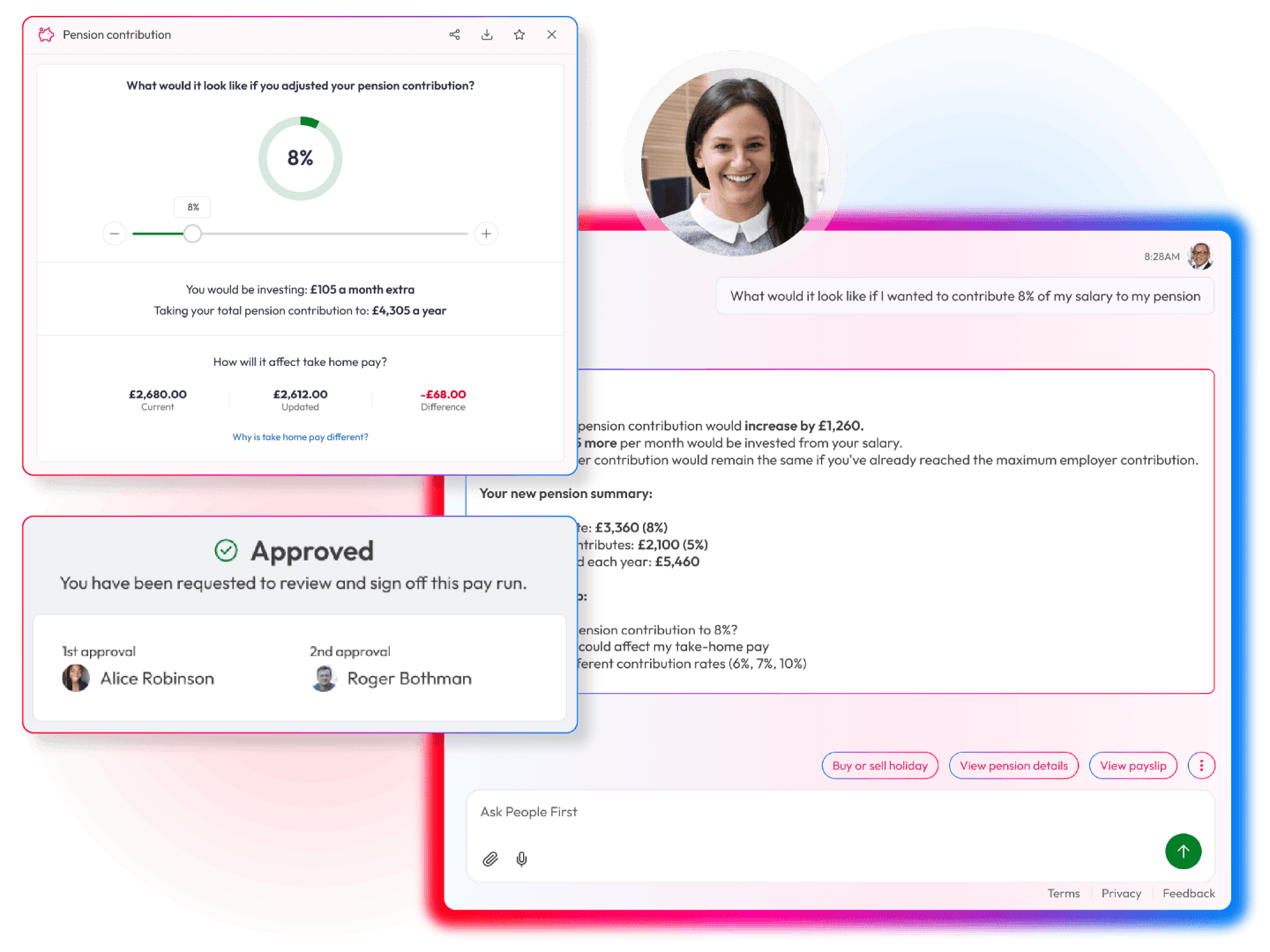
Discover how staying up to date with regulations can be easy with People First.
Schedule a review with an MHR specialist
The information contained in this article was correct at the time of publishing. This article provides general information and is not legal advice. Employers should review the latest government guidance and seek specialist advice on their specific workforce arrangements.