
HR analytics & reporting software
Gain a complete, real-time view of your workforce with integrated analytics to make better decisions, faster.
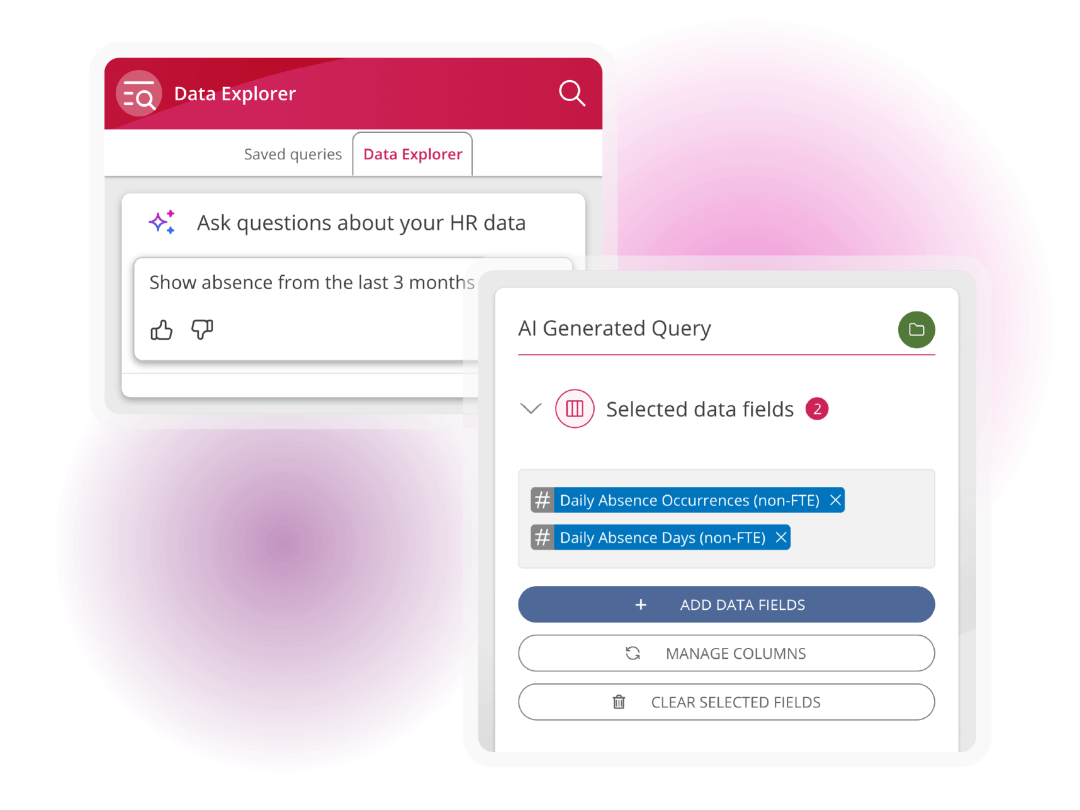
Ask questions of your data in natural language for instant management report numbers, improve insight accuracy, and make workforce decisions with agility and confidence.
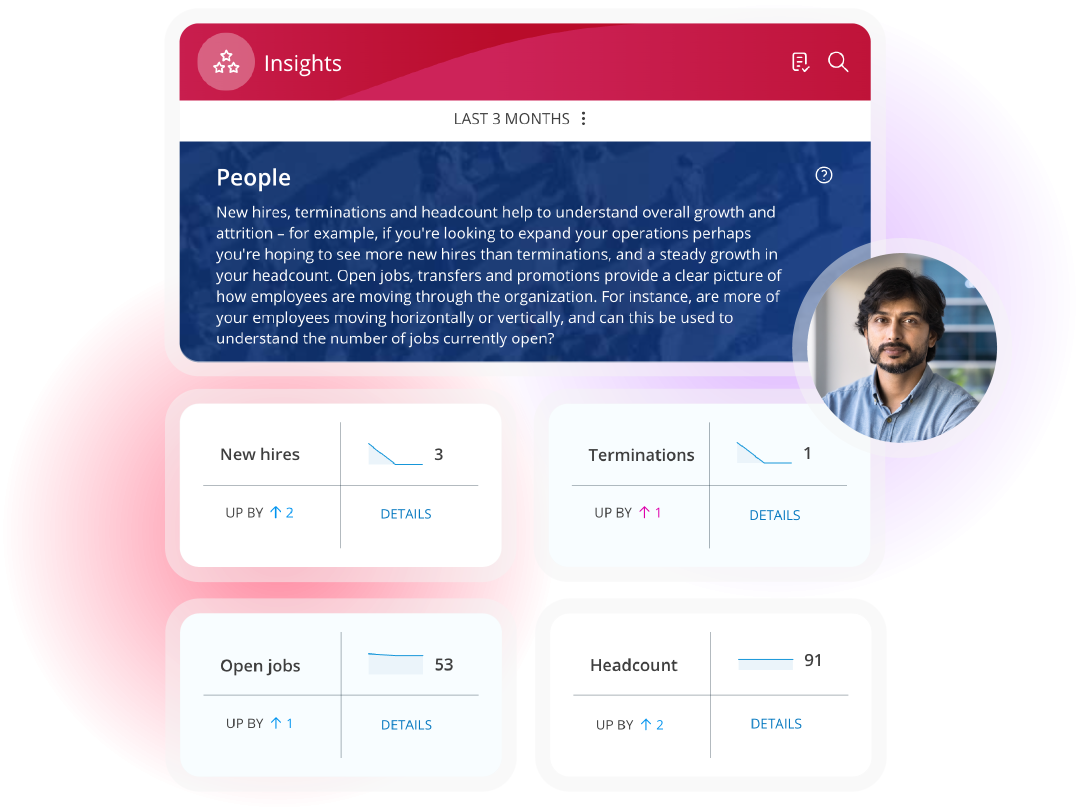






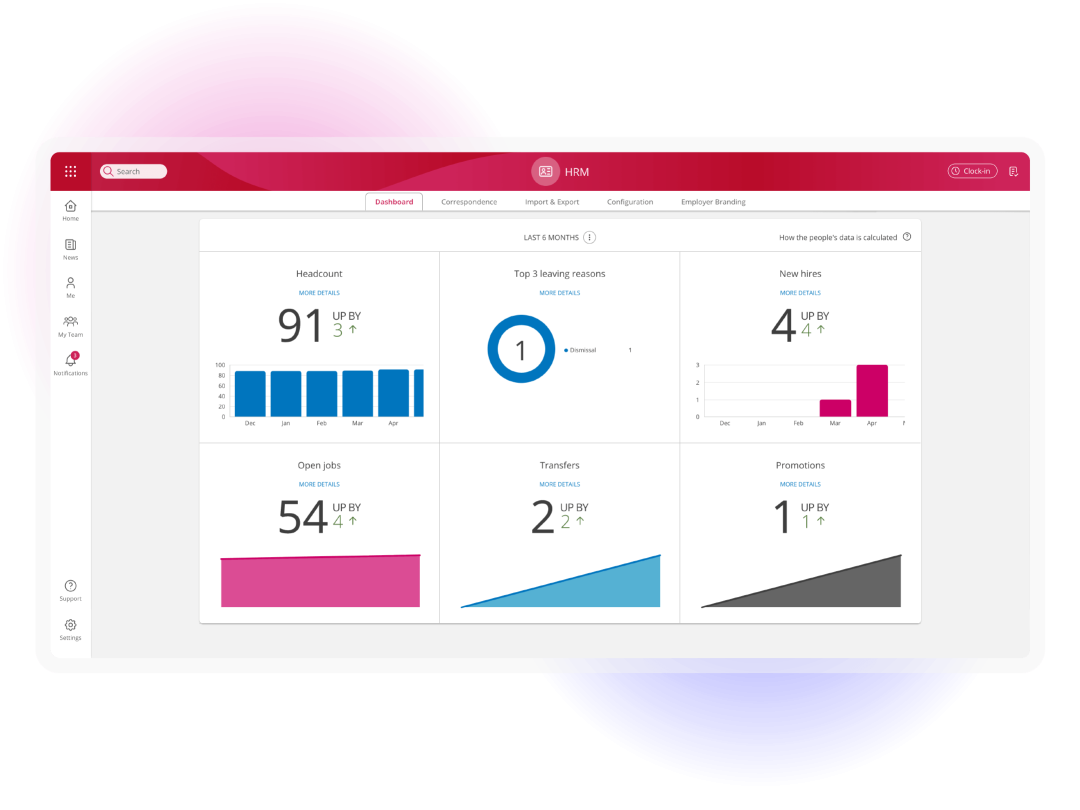
Make informed decisions with HR analytics
Organizations are not short on workforce data, but many struggle to turn that data into insights they can trust and act on. HR teams are expected to support more data-driven decisions, yet information is often spread across systems, difficult to interpret, or disconnected from the wider business context.
People First’s HR analytics software helps close the gap between reporting and action. By bringing people data together and presenting it in a clear, accessible way, it enables HR leaders and managers to understand trends, build confidence in their insight, and use analytics to support more informed, strategic workforce decisions.
How People First supports HR analytics


“It’s going to be a great engagement tool to allow our members to connect with each other, share information and ask questions. Having a virtual platform to connect these together is crucial to SHRM Atlanta.”


“With MHR you get a reliable product with great people working within the business.”


“People First is essential for keeping everyone up to date with what is going on in the company. We've noticed an increase in employee engagement.”
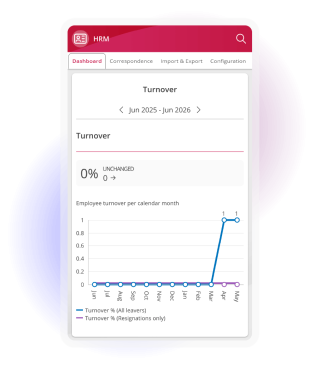
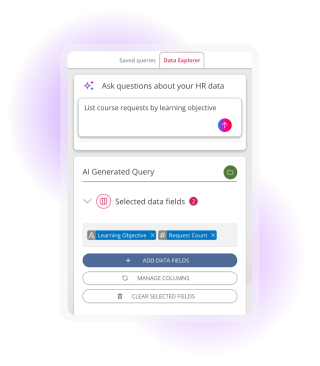















Smarter HR analytics powered by AI
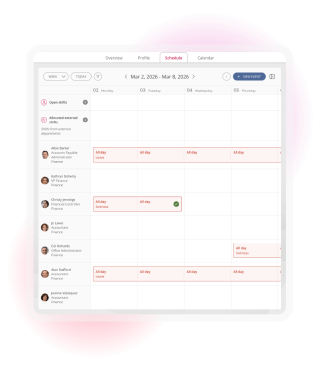
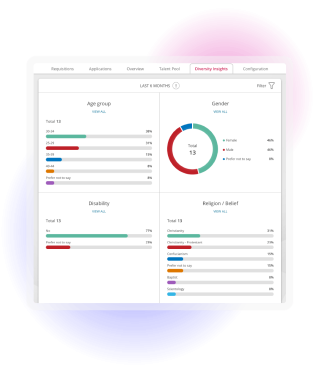
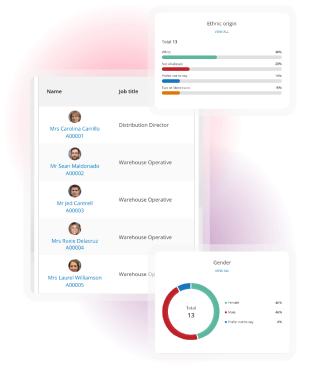
People First uses AI to help HR teams move from raw data to clearer insight, faster. Natural language questions make it easier to explore workforce data without building manual reports, while real-time dashboards and visualizations help leaders understand trends across headcount, absence, retention, performance, engagement and learning activity.
Predictive analytics helps teams spot risks and opportunities earlier, from turnover patterns to workforce planning gaps. By bringing people data into one connected analytics platform, People First helps organizations make evidence-based decisions with more confidence, less manual reporting and a clearer view of what is happening across the workforce.
Why choose MHR?
FAQs
-
HR analytics software helps organizations analyze workforce data to understand trends in areas such as performance, engagement, retention and absence. It turns HR data into insight that supports better people decisions.
-
HR analytics software can analyze data across the employee lifecycle, including headcount, turnover, absence, performance, engagement, learning activity, and data used for EEOC reporting. This gives HR teams a more complete view of what is happening across the organization.
-
No. HR analytics software is designed for HR teams, not data scientists. Visual dashboards, built-in reports, natural language questions, and clear metrics make insights accessible without advanced technical or analytical expertise.
-
HR analytics software works best when connected to core HR, payroll and people systems. By drawing data from existing systems, it provides a single source of insight without requiring manual data collection or duplicate reporting.